
The Strategic Role of Mezzanine Space in Small Bay Industrial
Small bay 101
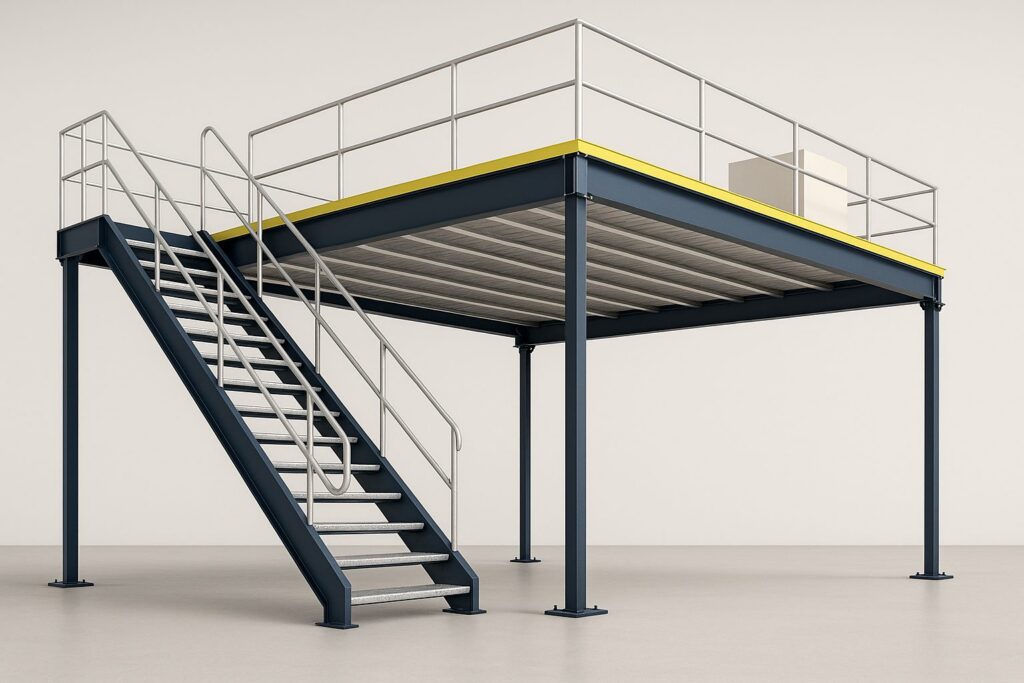
In the world of small bay flex industrial, every square foot matters — and sometimes, the key to unlocking more utility isn’t in building out, but up. That’s where mezzanine space comes in.
Whether used for storage, offices, or showroom purposes, mezzanines can add significant value. But they’re not always necessary, and knowing when to include them is just as important as knowing how to build them.
“When you understand your end user, you’ll know when mezzanine space adds value — and when it just adds cost.” — Cody Payne
Benefits of Mezzanine Space
-
Maximizes Volume
Mezzanines make use of vertical cubic footage that would otherwise go unused, effectively increasing the usable square footage without expanding the building footprint.
-
Adds Functional Flexibility
Ideal for tenants needing a split layout — office above, warehouse below — or for businesses that want customer-facing space without sacrificing operations.
-
Cost Efficiency per Useable SF
Mezzanine buildouts are often cheaper than full second floors or horizontal expansion, offering a low-cost way to add functional space.
-
Attracts a Broader Tenant Pool
Tenants in service trades, light manufacturing, or creative businesses often prefer some upstairs space to separate work, admin, or storage areas.
-
Improves Lease Rate Potential
While mezzanine square footage isn’t always charged at full rate, it can boost total rent per unit and improve the asset’s yield when done right.
When Mezzanine Space Makes Sense
High-Ceiling Units (18’+ clear height)
Without enough clear height, mezzanines become cramped and impractical.
Markets Where Office/Showroom Demand Exists
If tenants need front-facing space or administrative space, mezzanines add major appeal.
Owner-Users or Creative Tenant Types
Mezzanine customization becomes a selling point for companies wanting more control over their space.
When Building to Condo or Sell-Off Units
Finished mezzanines can sometimes justify higher sales prices for individual suites.
When It’s Better to Skip the Mezzanine
-
Budget Constraints on Initial Build
If capital is tight, mezzanines can be left as future build-outs — shell-ready but unfinished.
-
Areas with Low Ceiling Requirements or Tight Code Restrictions
Some jurisdictions have fire, egress, or accessibility rules that make mezzanines costly or restrictive.
-
Warehousing-Focused Tenants
Many distribution users want clear, open space. Mezzanines can obstruct racking or forklift movement.
-
Short-Term Tenancy Goals
If quick lease-up is the goal, leaving the space shell and letting tenants build what they want can speed deals.
Bottom Line
Mezzanine space can transform a flex suite from basic to premium — but only when aligned with the right market, tenant, build quality and cost structure. It’s not about adding more for the sake of it — it’s about building smarter and staying flexible.