
Decisions: Choosing Building Materials and Components for Your Next Small Bay Industrial Construction Project
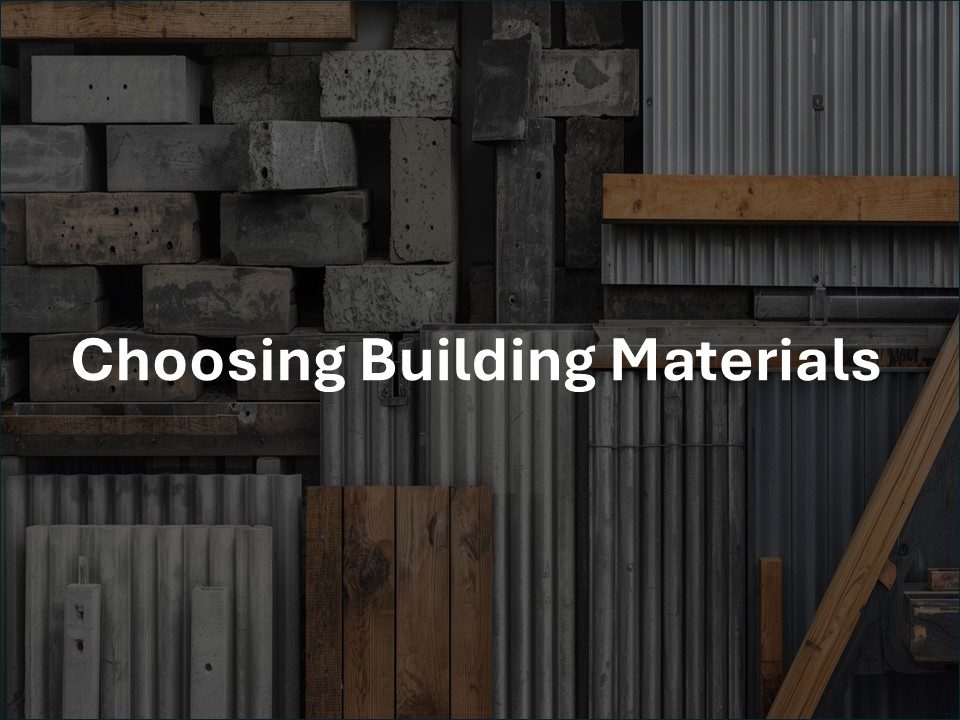
Selecting the right building materials and components is a critical decision when developing small bay industrial properties. These structures, often ranging from 1,000 to 10,000 square feet, serve a variety of industries, including warehousing, light manufacturing, and distribution. The materials you choose must provide durability, cost-effectiveness, and adaptability to meet the demands of industrial tenants.
This guide outlines key factors to consider when selecting materials for your small bay industrial project.
Understanding Project Requirements
Before selecting materials, it is essential to define the specific needs of your industrial property. Consider the following:
-
Structural Load Requirements: Industrial properties often house heavy machinery, palletized goods, and large vehicles. The building must support these loads without compromising structural integrity.
-
Environmental and Climatic Conditions: Exposure to extreme temperatures, humidity, or heavy rainfall may influence material choices. In coastal regions, corrosion-resistant materials like galvanized steel may be necessary.
-
Building Code Compliance: Every region has regulations governing industrial construction. Check local zoning laws, fire safety standards, and energy efficiency requirements before finalizing material selections.
-
Budget and Life Cycle Costs: While upfront material costs are important, long-term maintenance and replacement expenses should also be factored in. High-quality materials with minimal upkeep can offer better value over time.
Common Building Materials for Industrial Construction
Different materials serve different purposes in small bay industrial buildings. Selecting the right combination can improve performance, longevity, and cost efficiency.
1. Structural Framework Materials
-
Steel:
-
Pros: Strong, durable, fire-resistant, and allows for large, open floor plans.
-
Cons: Higher initial cost, but long-term durability justifies the investment.
-
-
Concrete:
-
Pros: Provides excellent fire resistance and soundproofing.
-
Cons: Requires longer curing times and is less flexible than steel.
-
-
Wood:
-
Pros: Cost-effective and easier to modify for smaller industrial buildings.
-
Cons: Susceptible to fire, moisture damage, and pests.
-
2. Exterior Wall and Roofing Materials
-
Pre-Engineered Metal Panels:
-
Pros: Quick installation, low maintenance, and weather-resistant.
-
Cons: May require additional insulation to improve energy efficiency.
-
-
Concrete Block (CMU – Concrete Masonry Units):
-
Pros: Fire-resistant and durable against impacts.
-
Cons: Higher material and labor costs compared to metal panels.
-
-
Tilt-Up Concrete Panels:
-
Pros: Faster construction for larger buildings, minimal maintenance.
-
Cons: Requires specialized construction techniques.
-
-
TPO and PVC Roofing:
-
Pros: High durability, energy-efficient, and resistant to chemicals.
-
Cons: Initial installation costs can be higher than asphalt roofing.
-
Factors Influencing Material Selection
When deciding on materials for your small bay industrial property, keep these key factors in mind:
1. Durability and Maintenance
-
Industrial properties experience heavy wear and tear from equipment, vehicles, and daily operations.
-
Choose materials resistant to corrosion, impact, and chemical exposure.
2. Energy Efficiency
-
Insulated metal panels and high-R-value roofing materials help reduce energy costs.
-
LED lighting, skylights, and efficient HVAC systems improve operational efficiency.
3. Sustainability
-
Recycled steel, hempcrete, and low-VOC coatings contribute to eco-friendly construction.
-
Solar-ready roofing materials can support renewable energy adoption.
4. Aesthetics and Marketability
-
While industrial buildings prioritize function, a clean and modern appearance attracts tenants.
-
High-quality façade materials and landscaping can enhance curb appeal and increase property value.
Choosing the Right Suppliers and Contractors
Working with reputable suppliers and contractors ensures high-quality materials and workmanship. Consider:
-
Experience in Industrial Construction: Select professionals familiar with the demands of small bay industrial projects.
-
Warranties and Certifications: Look for materials backed by manufacturer warranties and compliance with industry standards.
-
Cost vs. Value Analysis: Obtain multiple quotes and compare total life cycle costs, not just upfront expenses.
Key Takeaways
-
Define project requirements, including load capacity, climate considerations, and budget.
-
Select durable materials that balance cost, maintenance, and energy efficiency.
-
Choose reliable suppliers and contractors to ensure high-quality execution.
By carefully evaluating these aspects, you can make informed material choices that enhance the performance and longevity of your small bay industrial property while maintaining cost-effectiveness.